Budget and prices
What a designer bag costs per wear once resale is counted
Resale, care and repair all move cost per wear more than a discount does. The arithmetic, plus what import VAT adds to a bag bought abroad.
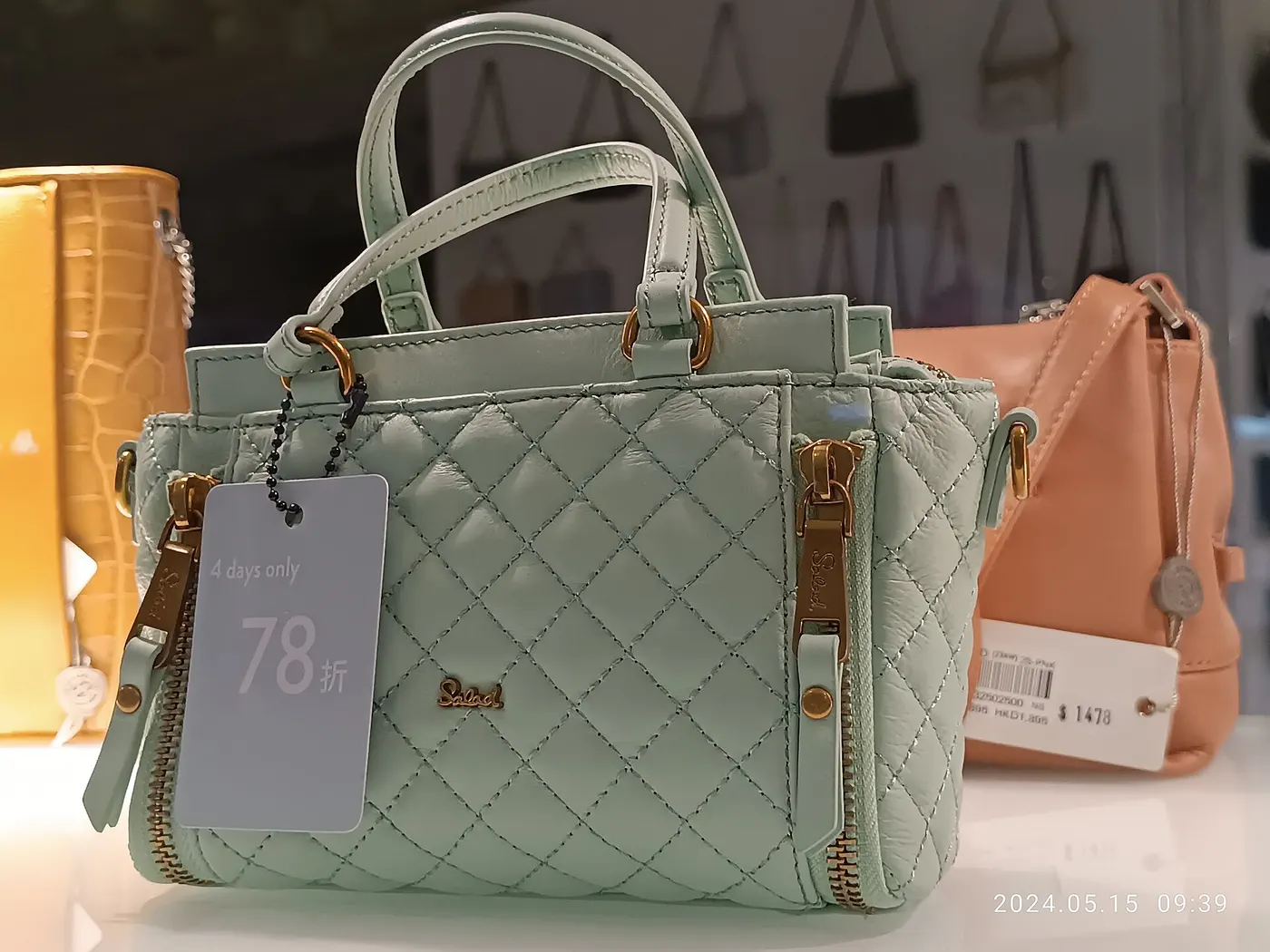
Bags are one of the few categories where a resale market genuinely exists, which means the purchase price is not the cost. The cost is what you paid, minus what you recover, plus what you spent keeping it saleable.
This guide puts those three terms in one division and then adds the two lines that catch people out: a repair partway through, and import VAT on a bag bought from outside the UK. Every figure below is an example you can replace, and no price here is read live from any shop.
The division, with resale in it
Start with wears. Twice a week for 5 years is 2 x 52 x 5, which is 520 wears. A £900 bag with nothing recovered is about £1.73 a wear. Recover anything at the end and you are dividing a smaller number by the same 520.
Recovering 40% of £900 is £360, so the net cost is £540 and the cost per wear falls to about £1.04 — a 40% reduction in the figure, which no sale price on the way in would have matched. Recovering 20% gives about £1.38 and recovering 60% gives about £0.69.
Those recovery rates are scenarios you choose, not forecasts. Nobody on this site tracks secondary prices and none are quoted here. The point of the table below is to show how much the output moves for a given input, so you can decide what rate is realistic for a bag you would actually list.
| Recovery scenario | Amount recovered | Net cost | Cost per wear |
|---|---|---|---|
| Nothing recovered | £0 | £900 | about £1.73 |
| 20% recovered | £180 | £720 | about £1.38 |
| 40% recovered | £360 | £540 | about £1.04 |
| 60% recovered | £540 | £360 | about £0.69 |
520 wears is twice a week for 5 years. The recovery percentages are inputs to the resale-value calculator on this site, not predictions of what any bag will fetch.
Care and repair are part of the same sum
A bag that resells is a bag that was looked after, so the care spend belongs in the numerator rather than being treated as separate. An example £15 a year of cleaner, conditioner and a dust bag over 5 years is £75, which across 520 wears adds about 14p a wear.
On the 40% recovery line that takes the bag from about £1.04 to about £1.18 a wear. It is a small number, and it is the small number that protects the large one: condition is the main variable within your control between the price you paid and the price you recover.
A repair is larger and less predictable. An example £120 spent in year three on a strap replacement or an edge recoat adds about 23p a wear across 520 wears, taking the same bag to about £1.41. Whether that is worth doing is a resale question: a repair that moves the recovery scenario from 20% to 40% has paid for itself three times over on these numbers.
- £900 bag, 520 wears, nothing recovered: about £1.73 a wear
- With 40% recovered: about £1.04 a wear
- Plus £15 a year of care over 5 years: about £1.18 a wear
- Plus a £120 repair in year 3: about £1.41 a wear
- Each 10 percentage points of recovery is worth about 17p a wear on a £900 bag

A bag bought abroad is not the price on the tag
HMRC charges import VAT on goods worth more than £135 sent to the UK, at the standard rate of 20%, and the VAT is calculated on the total value of the parcel including the goods, postage, packaging, insurance and any duty owed. Customs duty can apply on top for goods above that £135 threshold, at a rate that depends on the commodity code and where the goods come from.
Work it through on a £1,200 bag with £45 of shipping. The VAT base is £1,245 and the import VAT is £249, so the bag lands at £1,494 before any duty and before the carrier's handling fee. At 520 wears that is about £2.87 a wear instead of the £2.31 the £1,200 alone would have given.
Resale is calculated on what the bag is worth, not on what you paid to import it, so the gap does not come back. Recovering 40% of the £1,200 list is £480, which leaves £1,014 and about £1.95 a wear — still above the £1.04 of a £900 bag bought here. Goods worth £135 or less that you bought yourself already include VAT in the purchase price, and gifts worth £39 or less are not charged VAT at all.
| Line | Imported bag | UK purchase |
|---|---|---|
| Goods value | £1,200 | £900 |
| Shipping | £45 | included |
| Import VAT at 20% on the total | £249 | already in the price |
| Landed cost before duty and handling | £1,494 | £900 |
| Cost per wear at 520 wears, nothing recovered | about £2.87 | about £1.73 |
| Cost per wear with 40% of the goods value recovered | about £1.95 | about £1.04 |
Customs duty and the carrier's handling fee are excluded because both depend on the commodity code and the carrier. The landed-cost calculator on this site takes each line separately.
What the figures say about when to buy
Three levers move cost per wear, and they are not equally powerful. Frequency is the strongest: doubling wears from once to twice a week halves the figure outright. Resale recovery is next, worth about 17p a wear for every 10 percentage points on a £900 bag. Purchase discount is the weakest of the three, because 10% off £900 is £90, which is about 17p a wear — the same as 10 points of recovery, but available only once.
That ordering suggests a simple rule for a UK buyer: pick the bag you will reach for, keep the box and the receipt because they support the recovery scenario, and treat the sale price as the least important of the three.
If the bag is faulty, none of this arithmetic applies, because the Consumer Rights Act 2015 gives a short-term right to reject that ends 30 days after delivery. A rejected bag is a refund, not a resale.

Before you buy
- Multiply realistic wears a week by 52 and by the years you will keep the bag
- Decide a recovery percentage you would actually accept, and use it consistently
- Add a yearly care figure to the numerator rather than treating it as separate
- Budget one repair in the middle of the ownership period rather than assuming none
- If ordering from abroad, add 20% import VAT on goods plus shipping above £135
- Look up the commodity code before assuming duty is nil on an imported bag
- Keep the receipt and packaging, because they decide which recovery scenario is credible
Questions readers ask
- Does keeping the box and receipt really change the resale price?
- It changes which recovery scenario is plausible rather than guaranteeing a figure. A buyer judging a listing without a receipt is judging it on photographs alone, which is why complete listings tend to sit at the top of their range. On a £900 bag, moving from a 20% to a 40% scenario is worth about 34p a wear across 520 wears.
- Is a 10% discount worth waiting for?
- On a £900 bag it is £90, or about 17p a wear across 520 wears. Carrying the same bag twice a week rather than once over 5 years is worth about £1.73 a wear, because it doubles the wears from 260 to 520. The discount is real money, but it is the weakest of the three levers, and waiting for it costs wears.
- How do I work out my own cost per wear?
- Multiply wears a week by 52 and by the years you expect to keep it, then divide the price you paid minus the amount you expect to recover. Add care and any repair to the top of the fraction. Twice a week for 5 years is 520, which makes the mental arithmetic easy: every £100 of net cost is about 19p a wear.
- Is import duty charged as well as import VAT?
- It can be, on goods worth more than £135, and the rate depends on the commodity code and the country of origin rather than on a single flat figure. The Trade Tariff is where that rate is looked up. VAT is then charged on the goods, postage, packaging, insurance and the duty together, so duty increases the VAT as well as itself.
- Should care products be counted against the bag or the wardrobe?
- Against the bag, if you want the figure to mean anything. A conditioner bought for one bag and used on three is split three ways, but the 14p a wear in this guide assumes £15 a year spent on this bag alone. Splitting it across three bags would reduce that to about 5p each.
Sources
- GOV.UK — Tax and customs for goods sent from abroad: tax and duty (£135 and £39 thresholds) — checked 2026-11-03
- GOV.UK — VAT rates on different goods and services (standard rate 20%) — checked 2026-11-03
- Consumer Rights Act 2015, section 22 — time limit for the short-term right to reject — checked 2026-11-03
Advertising is not enabled on this site yet. When it is, ads will be labelled and kept visually separate from the guides.