How to choose
Choosing a designer bag you will actually carry
Handle drop, base width and empty weight decide whether a bag gets used. Measure what you carry first, then let cost per wear settle the price.
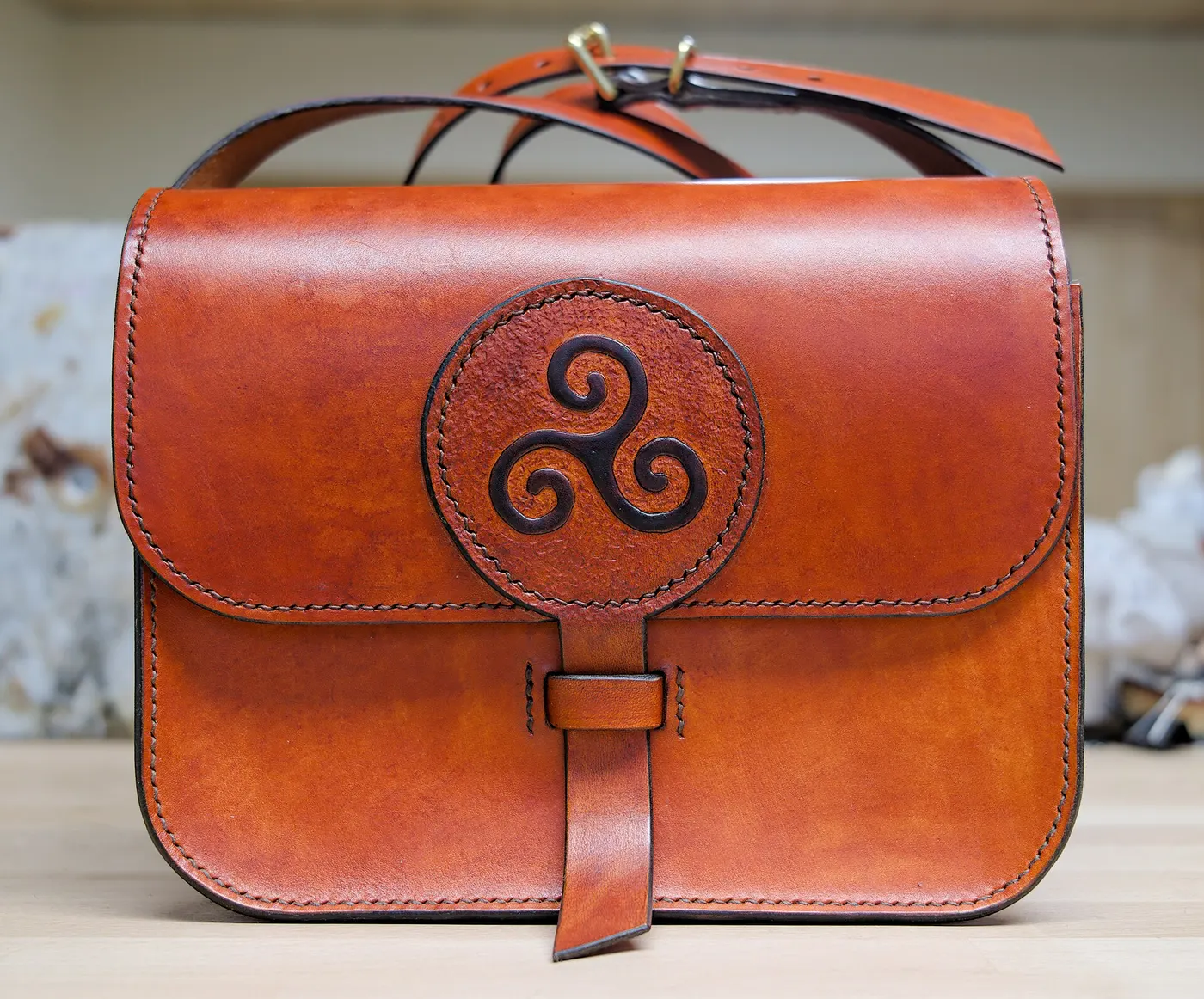
The bags that sit unused are almost never the wrong price. They are the wrong shape: a handle that will not clear a coat, a base too narrow for a laptop, an empty weight that makes a full bag unpleasant by the afternoon.
This guide starts with the measurements you take of your own things, then uses cost per wear to translate a price into something comparable. There are no rankings or test results here, because nothing on this site has been tested, and every price is an example labelled as one.
Measure what you carry before you measure the bag
Lay out what actually goes in the bag on a normal day and measure the largest item. A 13-inch laptop is about 31 cm wide, so it needs an internal base of roughly 33 cm to go in without being forced past the stiffened side panels. A 14-inch model is closer to 32 cm and needs about 34 cm. An A4 folder is 30 cm by 21 cm, which is why so many bags described as totes will not take one flat.
Then measure the depth of the pile. A bag with a 10 cm base takes a laptop and a notebook; the same bag at 6 cm takes one of them. Depth is the dimension listings most often round generously, and it is the one that decides whether the bag closes.
Weight is the measurement nobody checks. A structured leather tote is often over 1 kg before anything goes in it, and the difference between a 700 g bag and a 1.3 kg bag is carried on one shoulder for 8 hours. If the listing does not state an empty weight, that is a question worth asking the seller before paying.
| What you carry | Minimum internal base | Minimum depth | Carry style that works |
|---|---|---|---|
| Phone, cards, keys | 16 cm | 5 cm | Crossbody or clutch |
| The above plus a paperback and a water bottle | 24 cm | 8 cm | Shoulder with a 22 to 25 cm drop |
| A4 folder and a notebook | 32 cm | 8 cm | Tote, hand or shoulder |
| 13-inch laptop, charger and a notebook | 33 cm | 10 cm | Tote with a reinforced base |
Internal measurements, not external. Stiffened side panels and a lined interior can take 2 to 3 cm off the usable base on a structured bag.
Handle drop and strap length are the fit decisions
Handle drop is the distance from the top of the handle to the top of the bag, and it decides whether the bag can be worn over a shoulder at all. Around 22 to 25 cm of drop clears a shoulder over a jumper; 10 to 12 cm is a hand-carry handle whatever the listing calls it. Over a winter coat, add 2 to 3 cm to whatever worked in summer.
A crossbody strap is a separate measurement. Strap length is quoted either as total length or as drop, and the two differ by a factor of two, so a strap listed at 120 cm gives about a 60 cm drop. Measure from your shoulder to where you want the bag to sit before reading any listing.
An adjustable strap with a lobster clasp at each end is worth more than a longer fixed one, because it can be shortened, replaced when it wears, and removed when the bag is carried by hand. The clasp and the D-ring it attaches to are also the two parts most likely to fail first, so their size and finish are a durability question rather than a style one.
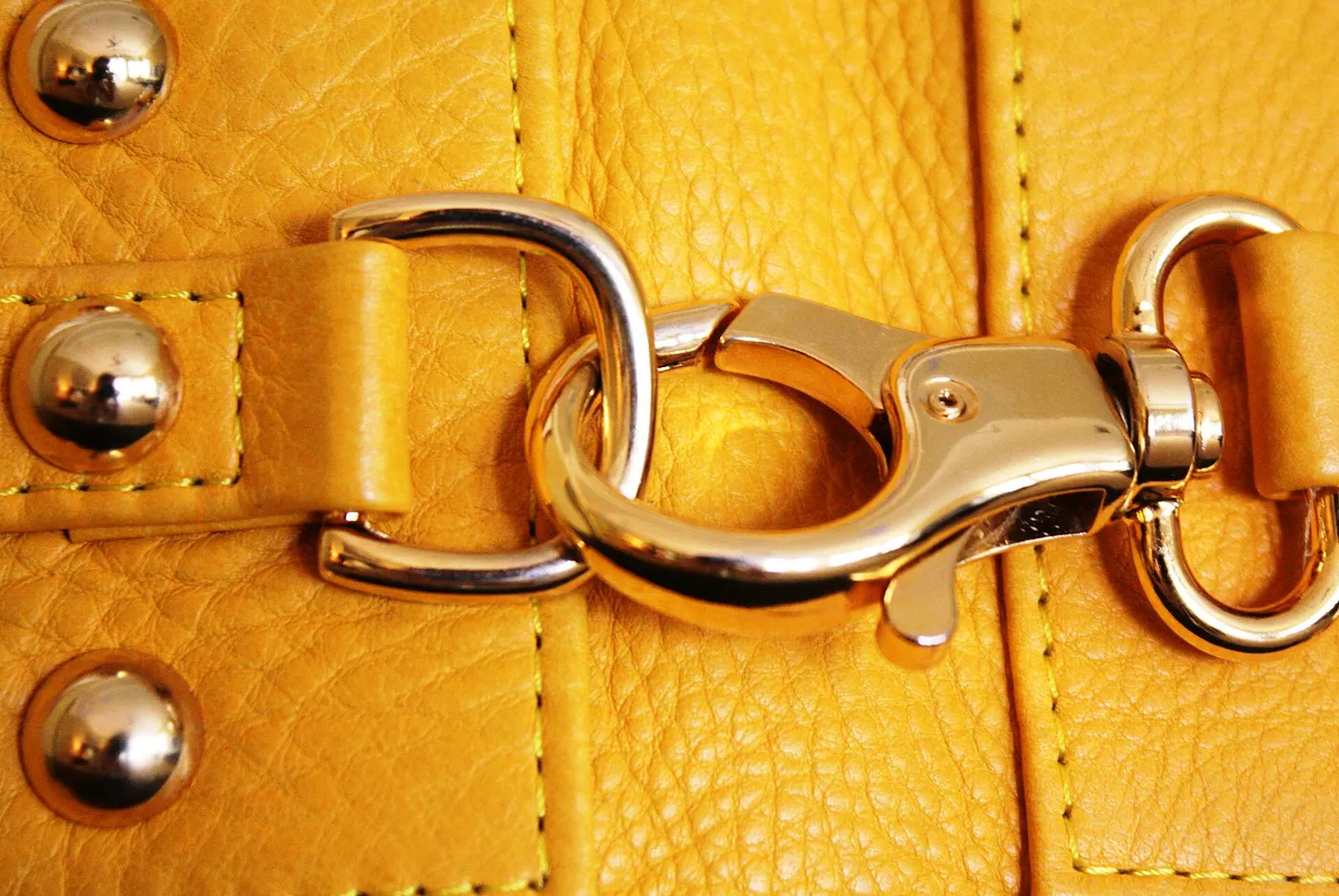
- 10 to 12 cm drop: a hand carry, whatever the description says
- 22 to 25 cm drop: clears a shoulder over normal clothing
- Add 2 to 3 cm of drop for a winter coat
- A 120 cm strap gives roughly a 60 cm crossbody drop
- Detachable straps with lobster clasps can be replaced; stitched-on straps cannot
Turn the price into a cost per wear
A price on its own cannot be compared between two bags you would use differently. Divide it by the number of times you will carry it. Twice a week for 5 years is 520 wears, so a £900 bag is about £1.73 a wear and a £300 bag is about £0.58.
Run the same bag at a different frequency and the figure moves further than any discount would. The same £900 bag carried once a week over 5 years is 260 wears and about £3.46 each time — twice the cost of carrying it twice as often. That is the argument for buying one bag you reach for rather than three you rotate.
UK shelf prices for consumers include VAT at the standard rate of 20%, so a £900 bag carries £150 of tax within it. That does not change the division — you divide what you paid — but it does matter when comparing a UK price against a price quoted elsewhere without tax.
| Price paid, VAT included | Once a week (260 wears) | Twice a week (520 wears) | Four times a week (1,040 wears) |
|---|---|---|---|
| £300 | about £1.15 | about £0.58 | about £0.29 |
| £900 | about £3.46 | about £1.73 | about £0.87 |
| £2,500 | about £9.62 | about £4.81 | about £2.40 |
Each cell is the price divided by 52 x the wears per week x 5 years. The cost-per-wear calculator on this site also takes a resale figure, which the budget guide works through.
Buying in a shop, buying online, and the clock that starts
Two legal periods run from the moment a bag reaches you, and they do different jobs. The Consumer Rights Act 2015 gives a short-term right to reject faulty goods, and that right ends 30 days after the day the goods are delivered and any installation is completed. If you ask for a repair or replacement within that window, the clock pauses while you wait.
Buying at a distance adds a second period that does not require anything to be wrong. Under the Consumer Contracts Regulations 2013 the cancellation period for a sales contract ends 14 days after the day the goods come into your physical possession. For an order split across several deliveries, it runs from the last item.
Those two dates are the practical reason to carry a new bag properly in the first week rather than keeping it boxed. Loading it, wearing it over a coat and putting a laptop in it inside 14 days is how you discover a fit problem while you still have an unconditional route out.

Before you buy
- Measure the widest thing you carry daily and add 2 cm for the bag's lining and panels
- Measure the handle drop you need over a winter coat, not over a shirt
- Ask the seller for the empty weight if the listing does not state it
- Check whether the strap is detachable and whether a replacement is sold separately
- Divide the price by 52 times your realistic wears per week times the years you will keep it
- Carry the bag loaded within the first 14 days so a fit problem appears while cancellation is still open
- Note the delivery date, because the 30-day right to reject runs from it
Questions readers ask
- Is a more expensive bag cheaper in the long run?
- Only if you carry it more. On the table above, a £2,500 bag at four wears a week is about £2.40 a wear while a £300 bag at one wear a week is about £1.15. Price and frequency pull in opposite directions, and frequency is the one you control after the purchase.
- How do I check a bag will take a laptop before buying online?
- Compare internal base width against the laptop's width plus 2 cm: about 33 cm for a 13-inch machine, about 34 cm for a 14-inch. If the listing gives only external dimensions, subtract 2 to 3 cm for the side panels and lining on a structured bag, and treat the result as the number to beat.
- Does an unstructured bag hold more than a structured one of the same size?
- Usually yes, by a few centimetres in every direction, because the sides give rather than holding a fixed shape. The trade is that an unstructured bag puts its weight on whatever is inside it, so a laptop with no sleeve sits against the leather and marks it over 2 or 3 years.
- Should I buy the bag with a detachable strap?
- Where the choice exists, yes. A detachable strap can be shortened, swapped when the edge coating cracks and removed for a hand carry, so one bag covers two carry styles. A stitched-on strap that fails usually means a trip to a repairer, which is a cost the cost-per-wear calculation has to absorb.
Sources
- Consumer Rights Act 2015, section 22 — time limit for the short-term right to reject — checked 2026-11-03
- Consumer Contracts (Information, Cancellation and Additional Charges) Regulations 2013, regulation 30 — cancellation period — checked 2026-11-03
- GOV.UK — VAT rates on different goods and services (standard rate 20%) — checked 2026-11-03
Advertising is not enabled on this site yet. When it is, ads will be labelled and kept visually separate from the guides.